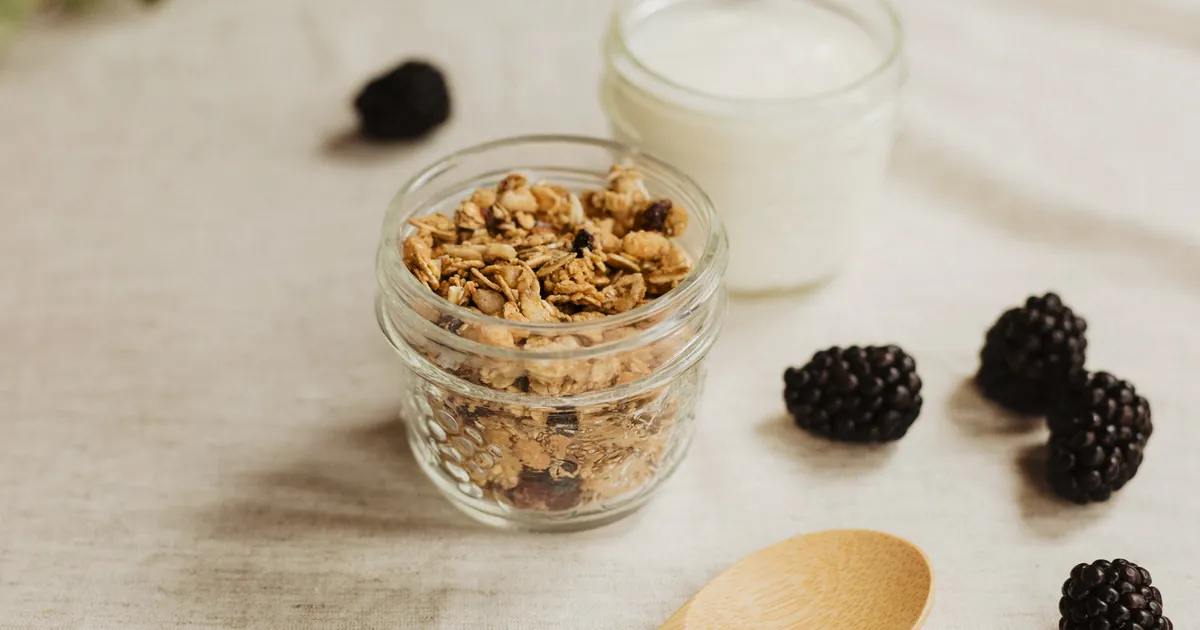
Understanding Fiber and Gut Health: Why It Matters and How to Get Enough
Fibre rarely gets the attention that protein or carbohydrates do, yet it plays a central role in digestion and overall wellbeing — and most people don't get enough of it. Part of the reason it's overlooked is that fibre isn't digested for energy in the usual way, so it's easy to assume it doesn't do much.
This guide explains what dietary fibre is, how it supports gut health, and simple everyday ways to eat more of it. This is general information, not medical advice.
What is dietary fibre?
Dietary fibre is the part of plant-based foods that the body can't fully break down and absorb. Unlike sugars and starches, most fibre passes through the digestive system relatively intact. That's precisely why it's valuable — its journey through the gut, rather than its absorption, is where the benefits come from.
Soluble vs insoluble fibre
Fibre comes in two broad types. Soluble fibre dissolves in water to form a gel-like substance, found in foods like oats, beans, apples and citrus; it can help slow digestion and is often associated with heart and blood-sugar benefits. Insoluble fibre doesn't dissolve; found in whole grains, nuts and the skins of many vegetables, it adds bulk and helps food move through the gut. Most plant foods contain a mix of both.
How fibre supports gut health
One of fibre's most important roles is feeding the trillions of beneficial bacteria in the large intestine. Certain fibres act as 'food' for these microbes, which ferment them and produce compounds that support the gut lining and overall health. A varied, fibre-rich diet tends to support a more diverse gut microbiome, which is broadly associated with better health.
Fibre and regularity
Fibre is well known for helping keep bowel movements regular. Insoluble fibre adds bulk and helps material move through the digestive tract, while soluble fibre helps soften stool. Adequate fibre, paired with enough fluid, is one of the simplest ways to support comfortable, regular digestion.
How much do you need, and are you getting it?
Recommended fibre intakes vary by country and by individual, but the common thread is that most people fall short. Diets high in refined and processed foods and low in whole plants tend to be low in fibre. Checking labels and being mindful of whole-food sources helps, but the simplest fix is eating more plants across the day.
Easy ways to eat more fibre
Increasing fibre doesn't require anything exotic. Choose whole grains over refined ones, add beans and lentils to meals, keep the skins on fruit and vegetables where appropriate, and snack on nuts, seeds and fruit. One important tip: increase fibre gradually and drink plenty of water, since a sudden large jump can cause bloating or discomfort.
Soluble vs insoluble fibre: a quick reference
Both types matter, and most fibre-rich foods contain a mix. This table makes the practical difference easy to remember:
| Soluble fibre | Insoluble fibre | |
|---|---|---|
| What it does | Forms a gel, slows digestion, feeds gut bacteria | Adds bulk, helps things move through |
| Common sources | Oats, beans, apples, citrus | Wholegrains, nuts, vegetable skins |
| Notable benefit | Supports steadier digestion and satiety | Supports regularity |
You don't need to track each type — eating a variety of whole plant foods naturally gives you both.
High-fibre foods to reach for
If you're falling short, a few reliable additions make a big difference:
- Beans, lentils and chickpeas — among the most fibre-dense foods available.
- Wholegrains such as oats, brown rice and wholemeal bread over refined versions.
- Fruit and vegetables eaten with their skins where possible.
- Nuts, seeds and a handful of berries as easy add-ons.
Increasing fibre without discomfort
Adding fibre too fast can cause bloating or discomfort. A gentler approach works better:
- Increase gradually over a couple of weeks rather than all at once.
- Drink enough water — fibre works best with adequate fluid.
- Spread fibre across meals rather than loading it into one.
This is general information, not medical advice; if you have digestive conditions, speak to a professional before making big changes.
Fibre myths worth clearing up
A few persistent misunderstandings can trip people up on the way to eating more fibre. One is the belief that a fibre supplement is equivalent to fibre from food; while supplements have their place, whole foods deliver fibre alongside water, vitamins and a range of plant compounds that a powder does not, so food should be the foundation. Another is the idea that more fibre is always better without limit — intakes far beyond typical recommendations, especially when increased suddenly or without enough fluid, can cause discomfort rather than benefit. A third is that only bran cereals ‘count’; in reality, beans, fruit, vegetables, nuts and wholegrains all contribute, and variety across these sources is more useful than leaning on a single high-fibre product. Finally, some assume that if a food is labelled wholegrain it must be high in fibre, but the amount still varies widely, so a quick look at the nutrition panel is worthwhile. Keeping these points in mind helps you build a fibre-rich diet that's both effective and comfortable.
Printable checklist
Print this page or save the PDF to keep these steps handy.
- What is dietary fibre?
- Soluble vs insoluble fibre
- How fibre supports gut health
- Fibre and regularity
- How much do you need, and are you getting it?
- Easy ways to eat more fibre
- Soluble vs insoluble fibre: a quick reference
- High-fibre foods to reach for
Summary
Dietary fibre is the part of plant foods the body can't fully digest. It comes in two broad types — soluble and insoluble — that support digestion, help keep bowel movements regular, and feed the beneficial bacteria in the gut. Most people fall short of recommended intakes. You can eat more fibre by choosing whole grains, beans, fruit, vegetables and nuts, and by increasing intake gradually with plenty of water. This is general education, not medical advice.
Key Takeaways
- Fibre is the part of plant foods the body can't fully digest.
- Soluble and insoluble fibre support digestion in different ways.
- Fibre feeds beneficial gut bacteria and helps keep you regular.
- Most people eat less fibre than recommended.
- Increase fibre gradually and drink plenty of water to avoid discomfort.
Frequently Asked Questions
Can I get too much fibre?
Very high fibre intakes, especially if increased suddenly or without enough fluid, can cause bloating, gas or discomfort. Increasing gradually and drinking water usually prevents this. Individual tolerance varies.
Do fibre supplements work as well as food?
Fibre supplements can help in some situations, but whole foods provide fibre alongside other nutrients and a wider variety of fibre types. Food-first is generally the recommended approach; ask a professional about supplements if you're considering them.
Which foods are highest in fibre?
Beans and lentils, whole grains, many vegetables and fruits (especially with skins), nuts and seeds are all excellent sources. Variety matters, as different foods provide different types of fibre.