Healthy Snacking: Smart Choices Between Meals
Snacking isn't good or bad — it depends
Whether snacking helps or hurts comes down to what and why. A protein-and-fiber snack that bridges a long gap can steady energy and prevent overeating later. Mindless grazing on chips does the opposite. The Harvard T.H. Chan — Healthy Eating Plate principles apply to snacks too.
The winning formula: protein + fiber
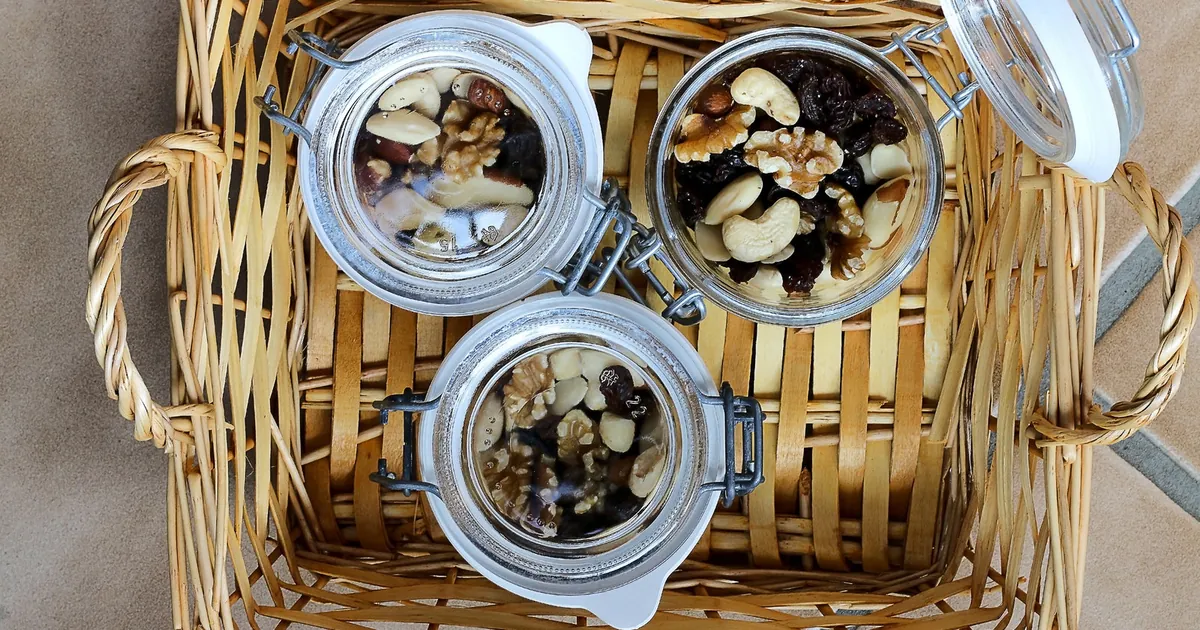
The most satisfying snacks pair protein with fiber, because together they slow digestion and keep you full. Think apple with peanut butter, Greek yogurt with berries, hummus with vegetables, or a small handful of nuts — the Harvard T.H. Chan — Nuts for the Heart backs nuts as a heart-smart choice.
Easy real-food snacks
- Greek yogurt + fruit
- Veggies + hummus
- A piece of fruit + a small handful of nuts
- Hard-boiled eggs
- Whole-grain toast + nut butter
Portion and packaging traps
Even healthy snacks have calories. Portion nuts and dried fruit into small amounts rather than eating from the bag, and treat 'health' bars skeptically — many are candy with a halo. Check the label as covered in our labels guide.
Snack with a reason
Ask whether you're actually hungry or just bored, stressed, or tired. Real hunger deserves a real snack; the other three deserve a walk, water, or rest. That single question prevents most unnecessary snacking.
How to build a snack that works
A snack that actually satisfies pairs protein or healthy fat with fiber: apple with peanut butter, yogurt with berries, hummus with vegetables, a handful of nuts. The Harvard T.H. Chan — Nuts for the Heart highlights nuts as a heart-healthy, satisfying option. This combination steadies blood sugar and keeps you full longer than a sugary snack that spikes and crashes energy within the hour.
Making the healthy choice the easy choice
Environment beats willpower. Keep cut vegetables, fruit, yogurt, and nuts visible and ready; keep chips and sweets out of sight or out of the house. Snacking is not the enemy of a healthy diet — mindless, ultra-processed snacking is. Planning one or two purposeful snacks can prevent the extreme hunger that leads to poor meal choices later.
The essentials
- Pair protein or healthy fat with fiber for a satisfying snack.
- Nuts, yogurt with fruit, and hummus with vegetables are solid choices.
- Balanced snacks steady blood sugar and prevent energy crashes.
- Make healthy snacks visible and ready; keep junk out of sight.
- Purposeful snacking prevents the extreme hunger that ruins meals.
Nutrition questions
What makes a snack healthy?
Is snacking bad for weight loss?
Are protein and granola bars healthy?
Is snacking bad for you?
References
- Harvard T.H. Chan — Healthy Eating Plate
- Harvard T.H. Chan — Nuts for the Heart
- Harvard T.H. Chan — Protein
This guide is reviewed against current guidance from the sources above. Nutrition science evolves; always confirm with a qualified healthcare professional for your individual needs.