Vitamins and Minerals: The Micronutrients That Matter
Small amounts, outsized jobs
Vitamins and minerals are micronutrients — you need them in milligram or microgram amounts, yet they run thousands of reactions: energy metabolism, immune defense, bone building, oxygen transport. The Harvard T.H. Chan — Vitamins and Minerals is a reliable primer on each. Unlike calories, you can't 'store up' most water-soluble vitamins, so regular intake matters.
The nutrients people actually miss
In practice, a handful come up again and again. The NIH ODS — Vitamin D Fact Sheet for Consumers flags widespread vitamin D shortfalls; the NIH ODS — Calcium Fact Sheet for Consumers and NIH ODS — Magnesium Fact Sheet for Consumers note that many adults fall below recommended calcium and magnesium; and iron deficiency, per the NIH ODS — Iron Fact Sheet for Consumers, remains the world's most common nutrient deficiency, especially among women of reproductive age.
Sodium: the mineral most people get too much of
The exception to 'get more' is sodium. The Harvard T.H. Chan — Salt and Sodium links excess sodium to high blood pressure; most people would benefit from less, not more — largely by cutting processed foods rather than the salt shaker.
Where to get them
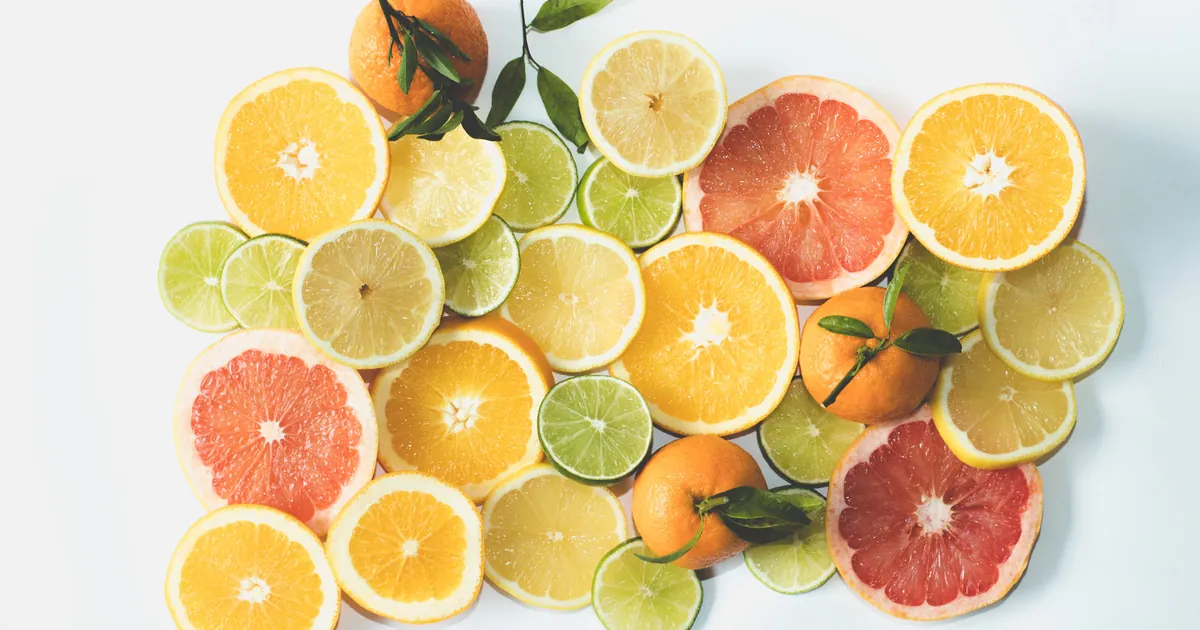
Variety is the strategy. Leafy greens for folate and magnesium; dairy or fortified alternatives for calcium and D; lean meat, legumes, and fortified grains for iron; citrus and peppers for vitamin C; nuts and seeds for E and magnesium. The Harvard T.H. Chan — Vegetables and Fruits shows why a colorful plate covers most bases without a single pill.
When a supplement makes sense
Blood tests beat guessing. If you're deficient, targeted supplementation under guidance works well. If you're not, extra micronutrients rarely add benefit and can cause harm at high doses — check the NIH ODS — Dietary Reference Intakes for upper limits.
The nutrients people most often miss
Large dietary surveys point to a recurring short list. Many adults fall short on vitamin D, calcium, potassium, and fiber, while some groups also lack iron or magnesium. The NIH ODS — Calcium Fact Sheet for Consumers and NIH ODS — Magnesium Fact Sheet for Consumers explain who is most at risk and how much you need. The fix is rarely a pill first — leafy greens, dairy or fortified alternatives, beans, nuts, and whole grains close most gaps naturally.
Best food sources at a glance
- Vitamin C: peppers, citrus, broccoli, strawberries.
- Vitamin D: oily fish, egg yolks, fortified milk (plus sensible sun).
- Iron: lean red meat, lentils, tofu, spinach (pair plant iron with vitamin C).
- Calcium: dairy, fortified plant milks, tinned sardines, kale.
- Potassium: potatoes, beans, bananas, yogurt.
The Harvard T.H. Chan — Vegetables and Fruits is a good reference for building meals around produce that naturally covers most micronutrients.
The essentials
- Micronutrients are needed in tiny amounts but run essential body processes.
- Common shortfalls include vitamin D, calcium, potassium, iron, and fiber.
- A colorful, varied plate covers most needs without supplements.
- Pair plant-based iron with vitamin C to improve absorption.
- Confirm suspected deficiencies with bloodwork before high-dose supplements.
Nutrition questions
What's the difference between vitamins and minerals?
Which vitamin deficiency is most common?
Can I get all my vitamins from food?
Can I get all my vitamins from food alone?
References
- Harvard T.H. Chan — Vitamins and Minerals
- NIH ODS — Vitamin D Fact Sheet for Consumers
- NIH ODS — Iron Fact Sheet for Consumers
- NIH ODS — Dietary Reference Intakes
This guide is reviewed against current guidance from the sources above. Nutrition science evolves; always confirm with a qualified healthcare professional for your individual needs.