Hydration: How Much Water Do You Actually Need?
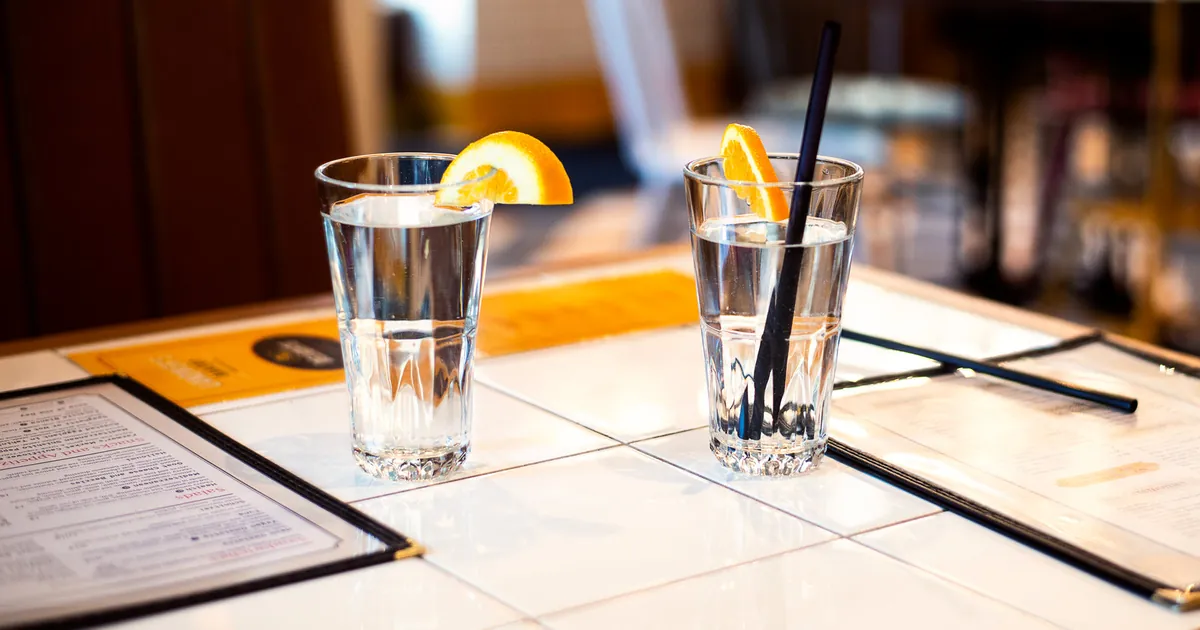
The '8 glasses' rule isn't a rule
The famous eight-glasses figure has no strong scientific basis. The Harvard T.H. Chan — Water notes that needs vary widely with body size, climate, and activity — and that food (fruit, vegetables, soup) contributes a meaningful share of your daily water.
Let your body tell you
Two free gauges beat any fixed number: thirst and urine color. Pale yellow means you're well hydrated; dark amber means drink more. For most healthy adults, drinking to thirst across the day is enough.
General ballpark
Rough guidance lands around 2–3 liters of total fluid a day for many adults, more in heat or with heavy sweating. Treat it as a starting range, not a quota to force.
When electrolytes actually matter
For everyday activity, plain water is fine. Electrolyte drinks earn their place during prolonged, sweaty exercise (roughly 60+ minutes), in extreme heat, or illness with fluid loss. Most people sipping sports drinks at a desk are just drinking sugar.
Hydration around training
Drink normally through the day, top up before a session, sip during long efforts, and replace losses afterward. A practical check: weigh yourself before and after long workouts and replace roughly what you lost.
How much water you really need
The old 'eight glasses' rule is a rough guide, not a law. Needs vary with body size, activity, climate, and diet — and food (especially fruit and vegetables) contributes too. The Harvard T.H. Chan — Water suggests using thirst and urine color as practical signals: pale yellow generally means well hydrated. Active people and those in hot climates need more, and older adults should be deliberate because thirst dulls with age.
What to drink (and what to limit)
Water is the gold standard. Unsweetened tea and coffee count toward fluids for most people despite mild diuretic effects. Sugary sodas and energy drinks add calories with no nutrition and are best kept occasional. For everyday hydration, plain or sparkling water flavored with fruit beats any 'enhanced' bottled product marketed for hydration.
The essentials
- Fluid needs vary; 'eight glasses' is a guide, not a strict rule.
- Thirst and pale-yellow urine are reliable everyday hydration signals.
- Food, especially produce, contributes to your fluid intake.
- Water, unsweetened tea, and coffee are the best everyday choices.
- Older adults and active people should hydrate deliberately.
Nutrition questions
Do I really need 8 glasses of water a day?
How can I tell if I'm dehydrated?
Do I need sports drinks?
Does coffee dehydrate you?
References
This guide is reviewed against current guidance from the sources above. Nutrition science evolves; always confirm with a qualified healthcare professional for your individual needs.