Plant-Based Diets: Benefits, Gaps, and How to Do It Well
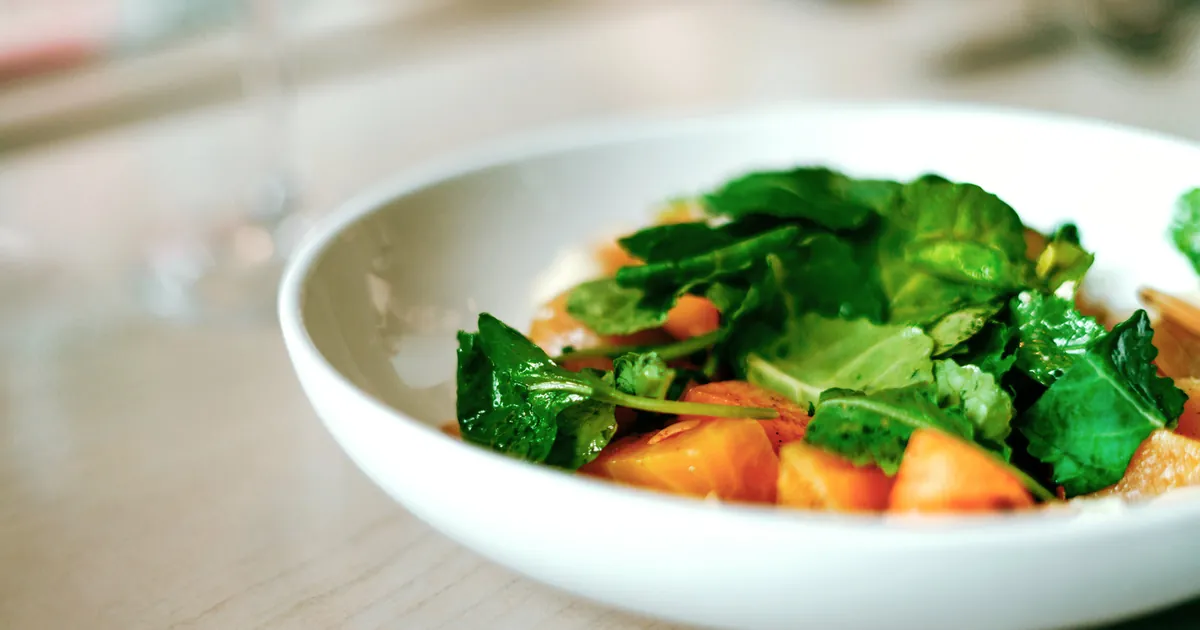
'Plant-based' is a spectrum
Plant-based doesn't have to mean fully vegan. It ranges from vegetarian to flexitarian to 'mostly plants.' The Harvard T.H. Chan — Vegetables and Fruits and Harvard T.H. Chan — Healthy Eating Plate show that simply shifting the balance toward plants improves most diets.
The well-supported benefits
Diets rich in vegetables, fruit, legumes, whole grains, nuts, and seeds are linked to lower risk of heart disease, type 2 diabetes, and some cancers, plus better weight management. The NHLBI — Heart-Healthy Foods highlights how plant-forward eating supports heart health.
The nutrients to plan for
Eating well on plants takes a little planning. Watch: vitamin B12 (supplement or fortified foods — essential for vegans), iron (pair plant iron with vitamin C, per the NIH ODS — Iron Fact Sheet for Consumers), omega-3 (flax, chia, walnuts, or algae oil, per the NIH ODS — Omega-3 Fatty Acids Fact Sheet for Consumers), calcium (fortified plant milks, tofu, greens, per the NIH ODS — Calcium Fact Sheet for Consumers), and adequate protein.
A balanced plant plate
Build around legumes and soy for protein, whole grains for energy, generous vegetables, healthy fats from nuts and seeds, and a B12 source. Variety is your best insurance against gaps.
Easing in
You don't have to flip overnight. Add a couple of meatless meals a week, swap one animal protein for beans or tofu, and build from there. Gradual change is more sustainable and just as beneficial.
What the evidence shows
Well-planned plant-based diets are linked to lower risks of heart disease, type 2 diabetes, and some cancers. The Harvard T.H. Chan — Vegetables and Fruits and NHLBI — Heart-Healthy Foods both support eating patterns rich in vegetables, fruit, legumes, and whole grains. 'Plant-based' spans a spectrum — from fully vegan to simply eating more plants and less meat — and even partial shifts carry benefits.
Nutrients to plan for
Going more plant-based means paying attention to a few nutrients. Vitamin B12 must be supplemented or obtained from fortified foods on a vegan diet. Iron, zinc, calcium, iodine, and omega-3s deserve thought; the NIH ODS — Iron Fact Sheet for Consumers and NIH ODS — Omega-3 Fatty Acids Fact Sheet for Consumers outline plant sources and absorption tips. With a little planning, plant-based eating is nutritionally complete for all life stages.
The essentials
- Well-planned plant-based diets lower risks of several chronic diseases.
- 'Plant-based' is a spectrum — even eating more plants helps.
- Vegans need reliable vitamin B12 from supplements or fortified foods.
- Plan for iron, zinc, calcium, iodine, and omega-3s.
- Varied plant proteins easily meet protein needs.
Nutrition questions
Is a plant-based diet healthy?
What nutrients do vegans need to watch?
Do I have to go fully vegan to benefit?
Can you get enough protein on a plant-based diet?
References
- Harvard T.H. Chan — Vegetables and Fruits
- NIH ODS — Iron Fact Sheet for Consumers
- NIH ODS — Omega-3 Fatty Acids Fact Sheet for Consumers
- NHLBI — Heart-Healthy Foods
This guide is reviewed against current guidance from the sources above. Nutrition science evolves; always confirm with a qualified healthcare professional for your individual needs.