Supplements: What Actually Works and What's a Waste
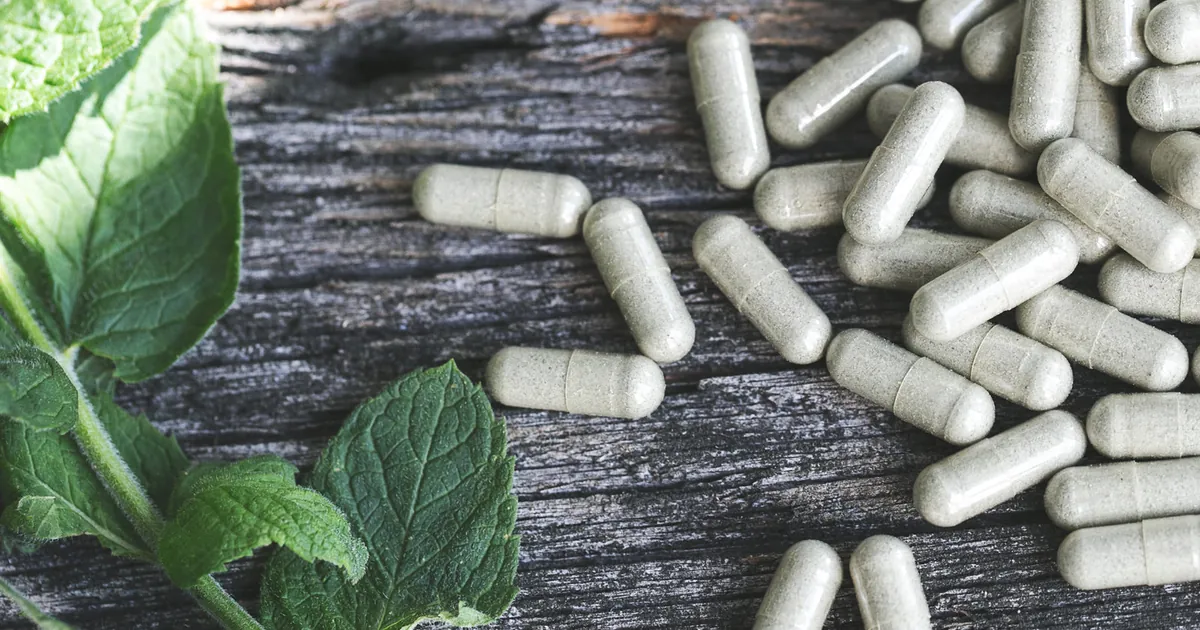
Food first, supplements second
Here's the uncomfortable truth after fifteen years of counseling clients: most people's supplement cabinets are half-full of things they don't need and missing the one or two that would actually help. A supplement is meant to fill a genuine gap, not replace a poor diet. As the Harvard T.H. Chan — Healthy Eating Plate makes clear, whole foods deliver fiber, phytonutrients, and a matrix of compounds no pill reproduces.
Who genuinely benefits
Some groups have well-documented needs. Per the NIH ODS — Vitamin D Fact Sheet for Consumers, many adults — especially those with limited sun exposure or darker skin — fall short on vitamin D. The NIH ODS — Iron Fact Sheet for Consumers notes that menstruating women, pregnant people, and some vegetarians are at higher risk of iron deficiency. Vegans typically need vitamin B12, and pregnancy calls for folic acid. Outside those cases, the evidence for routine supplementation in healthy, well-fed adults is thin.
A quick reality check on doses
More is not better, and fat-soluble vitamins (A, D, E, K) can accumulate to harmful levels. The NIH publishes tolerable upper intake levels in its NIH ODS — Dietary Reference Intakes; staying under them matters. I've seen clients take megadoses of vitamin A or iron with real harm — supplements are drugs in disguise, not candy.
How to read a supplement label
- Check the Supplement Facts panel for the actual amount and %DV, not the marketing on the front.
- Look for third-party testing seals (USP, NSF) — the FDA does not approve supplements before sale.
- Beware proprietary blends that hide individual doses.
- Cross-reference claims against the NIH Office of Dietary Supplements — Dietary Supplement Fact Sheets.
Interactions and safety
Supplements can interact with medications — vitamin K with blood thinners, calcium with certain antibiotics, high-dose fish oil with anticoagulants. Always tell your doctor and pharmacist everything you take. If you are pregnant, nursing, or managing a chronic condition, that conversation is non-negotiable.
A short list worth considering
If you want a starting point rather than a shopping spree, these are the supplements with the strongest evidence for common gaps. Vitamin D makes sense for many people during winter or with little sun exposure — check the NIH ODS — Vitamin D Fact Sheet for Consumers for consumer dosing. Omega-3s can help those who rarely eat oily fish; the NIH ODS — Omega-3 Fatty Acids Fact Sheet for Consumers summarizes the research. Vitamin B12 is essential for vegans and many adults over fifty, whose absorption declines with age. Beyond these, most healthy eaters get what they need from a varied plate.
Where your money is usually wasted
Marketing outpaces evidence in this industry. 'Immune-boosting' megadoses, fat-burner blends, detox teas, and most 'greens powders' rarely deliver what the label implies, and some carry real risks. A useful rule: if a product promises a dramatic outcome with no lifestyle change, be skeptical. Spend on food quality first — vegetables, legumes, fish, and whole grains — and reserve supplements for genuine, ideally lab-confirmed, shortfalls.
The essentials
- Supplements fill genuine gaps; they do not replace a varied, whole-food diet.
- Vitamin D, omega-3s, and B12 have the best evidence for common shortfalls.
- The FDA does not pre-approve supplements — choose USP or NSF third-party tested products.
- Fat-soluble vitamins and iron can build up to harmful levels; respect upper limits.
- Tell your doctor and pharmacist everything you take to avoid interactions.
Nutrition questions
Do I need a daily multivitamin?
Are supplements regulated like medicines?
Can you take too much of a vitamin?
Should I take supplements on an empty stomach or with food?
References
- NIH Office of Dietary Supplements — Dietary Supplement Fact Sheets
- NIH ODS — Vitamin D Fact Sheet for Consumers
- NIH ODS — Dietary Reference Intakes
- Harvard T.H. Chan — Healthy Eating Plate
This guide is reviewed against current guidance from the sources above. Nutrition science evolves; always confirm with a qualified healthcare professional for your individual needs.